Discovering Hidden Temples in Kyoto
Kyoto is renowned worldwide for its iconic temples, yet many of the most frequented sites can become crowded, especially during peak seasons. For travelers seeking a more contemplative experience, the northern hills of Kyoto offer a network of lesser-known temples that remain largely overlooked by mass tourism. These temples, set against a backdrop of forested mountains and rural landscapes, provide an opportunity to appreciate traditional Japanese architecture and garden design in relative solitude. The area is also notable for its modest entry fees, which contrast with the higher costs often associated with more famous landmarks.
Exploring these hidden temples requires a shift in approach. Rather than following the well-trodden routes of central Kyoto, visitors can venture into districts such as Ohara, Kurama, and Kibune, each with its own distinct character. The journey itself becomes part of the experience, as winding roads, rice terraces, and forest trails lead to temple compounds that have preserved a sense of timelessness. TripCompass, a resource for thoughtful travel, often highlights these areas for their cultural depth and tranquility. The following sections outline the types of temples found in the northern hills, the features that make them distinctive, and practical considerations for planning a visit.
Understanding the layout of the region helps in organizing a day or two of exploration. The northern hills are accessible by public transportation, with buses and trains connecting Kyoto Station to outlying villages. Once there, walking paths link temples, allowing visitors to move at their own pace. The atmosphere shifts noticeably as one moves away from the urban core; sounds of city life fade, replaced by bird calls and the rustle of bamboo leaves. This transition sets the stage for a deeper engagement with the sites themselves.
Characteristics of the Northern Hills Region
The northern hills of Kyoto encompass several distinct areas, each with a cluster of temples that share common architectural and environmental traits. Ohara, for example, sits in a valley surrounded by low mountains and is known for its rural setting and simple, elegant temples. Kurama, further north, is accessed via a scenic railway and features a temple complex embedded in a forested hillside. Kibune, adjacent to Kurama, offers a more intimate setting along a riverbank, with small shrines and a tranquil atmosphere. These locations are not as frequently listed in standard guidebooks, which contributes to their relative obscurity.
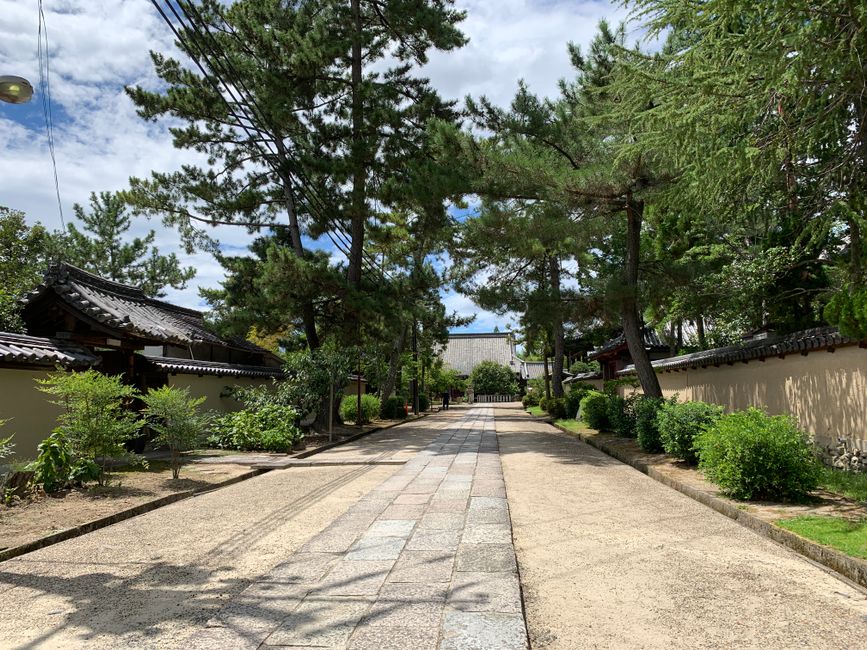
The temples in these areas often incorporate elements of the surrounding nature into their design. Gardens are typically of the stroll type, with moss-covered paths, ponds, and carefully placed stones that invite quiet contemplation. Many temples were originally established as retreats for monks or aristocrats seeking spiritual and physical refreshment away from the capital. As a result, the layouts emphasize harmony with the landscape rather than imposing grand structures. Buildings are frequently made of wood and feature thatched or tiled roofs that blend with the forest canopy.
Entry fees for these temples are generally modest, ranging from a few hundred yen to around one thousand yen, making them accessible without a significant financial outlay. This affordability is part of their appeal, allowing visitors to spend more time exploring multiple sites without worrying about cumulative costs. Some temples also offer tea ceremonies or meditation sessions at additional reasonable rates, though these are optional and not required for entry.
Notable Temples and Their Unique Features
While the northern hills contain many temples, a few stand out for their particular historical or aesthetic qualities. Sanzen-in, located in Ohara, is one of the most celebrated hidden temples. Its main hall, the Shinden, dates back to the Heian period and houses a statue of Amitabha Buddha that is considered a national treasure. The gardens surrounding the hall are meticulously maintained and change with the seasons, offering views of cherry blossoms in spring and vibrant foliage in autumn. Despite its significance, Sanzen-in remains less crowded than similar sites in central Kyoto.
Kuramadera, the temple at the summit of Kurama Mountain, is another notable destination. The approach involves a steep hike through a cedar forest, which itself is part of the spiritual experience. The temple complex includes several halls, a pagoda, and a sacred cave where the mountain deity is said to reside. Visitors can also observe the yuki no hana (snow flower) phenomenon in winter, when frost patterns form on trees. The temple’s remote location ensures that even during peak seasons, the number of visitors remains manageable.
Kibune Shrine, often paired with Kuramadera, is situated along a clear stream and is famous for its water divination and unique culinary tradition of kawadoko dining in summer. While technically a Shinto shrine, it is frequently visited in conjunction with neighboring temples and contributes to the area’s spiritual atmosphere. The shrine’s main hall is built on a slight incline, and its approach is lined with stone lanterns and maple trees that create a serene corridor.
Experiencing Tranquility Through Garden Appreciation
The gardens of these hidden temples are not merely decorative; they are integral to the experience of the site. Many gardens are designed according to principles of shakkei (borrowed scenery), where distant mountains and trees are incorporated into the composition as if they were part of the temple grounds. This technique creates a sense of expanse and connection with the natural environment. Visitors are encouraged to sit on verandas or benches and observe the interplay of light, shadow, and movement over time.
Moss gardens are particularly common in the northern hills, thriving in the moist, shaded conditions. The textures and shades of green vary depending on the species and the season, offering a subtle visual palette that changes daily. In autumn, maple and ginkgo trees add bursts of color, while in winter, snow covers the landscape in a muted blanket. The pace of exploration naturally slows, as each turn reveals a new perspective. Many temples provide small maps or pamphlets that explain the garden’s design and history, adding context without overwhelming the viewer.
For those interested in a more structured approach, some temples offer guided tours that delve into the symbolism behind specific elements. However, self-guided visits are equally rewarding, as the serene atmosphere allows for personal reflection. The lack of large crowds means that one can linger without feeling rushed, and the absence of commercial distractions—such as souvenir shops or food stalls—fosters a meditative environment. This focus on quiet appreciation aligns with the original purpose of these temples as places of retreat and study.
Practical Considerations for Visiting
Reaching the northern hills temples requires some planning, but the journey is straightforward. From Kyoto Station, the Kyoto Bus and Kyoto City Bus networks serve Ohara, while the Eizan Railway connects Demachiyanagi Station to Kurama and Kibune. Travel times range from 30 to 60 minutes, depending on the destination. Buses and trains run regularly, though schedules may be less frequent in the early morning or late afternoon. Checking the latest timetable before setting out is advisable.
Once in the area, walking is the primary mode of transport between temples. Many sites are within a 15- to 30-minute walk of each other, and the paths are generally well-maintained. Comfortable footwear is recommended, as some routes involve uneven terrain or stairs. Restrooms and small tea houses are available at major temples, but food options can be limited, so carrying a light snack and water is practical. Entry fees are typically paid in cash, and some temples may close earlier than those in central Kyoto, often around 4:30 or 5:00 PM. Visitors should confirm opening hours either online or at local information centers.
The best times to visit are early morning or late afternoon, when the light is soft and the number of other visitors is lowest. Weekdays tend to be quieter than weekends, and the off-peak seasons of late spring and early winter offer the most peaceful conditions. While the temples are open year-round, some may have restricted access during certain religious ceremonies or maintenance periods. Checking official websites or consulting with local tourism offices can provide up-to-date information. TripCompass notes that many travelers find that even a half-day excursion into the northern hills yields a profoundly different experience of Kyoto, one that emphasizes depth over breadth.