How to Explore Bangkok on a Tight Budget
Bangkok, a city known for its vibrant energy and cultural richness, often presents a misconception that a memorable visit requires a substantial budget. In reality, numerous opportunities exist for travelers who wish to experience the city without incurring high costs. From ancient temples that welcome visitors without an entrance fee to bustling street food scenes where a satisfying meal costs little, the Thai capital offers a wide range of low-cost experiences. The key lies in knowing where to look and how to navigate the options that prioritize value rather than expense.
According to TripCompass, travelers who approach their itinerary with a focus on locally operated services and public spaces can enjoy a deeply authentic stay. Free attractions, affordable transportation choices, and inexpensive dining are all part of the landscape for those willing to step away from premium tourist packages. The following sections outline several practical ways to explore Bangkok’s highlights while keeping expenditures to a minimum. Each suggestion is presented as an option rather than a guarantee, as individual results may vary based on timing, location, and personal preferences.
Exploring Free Temples and Cultural Landmarks
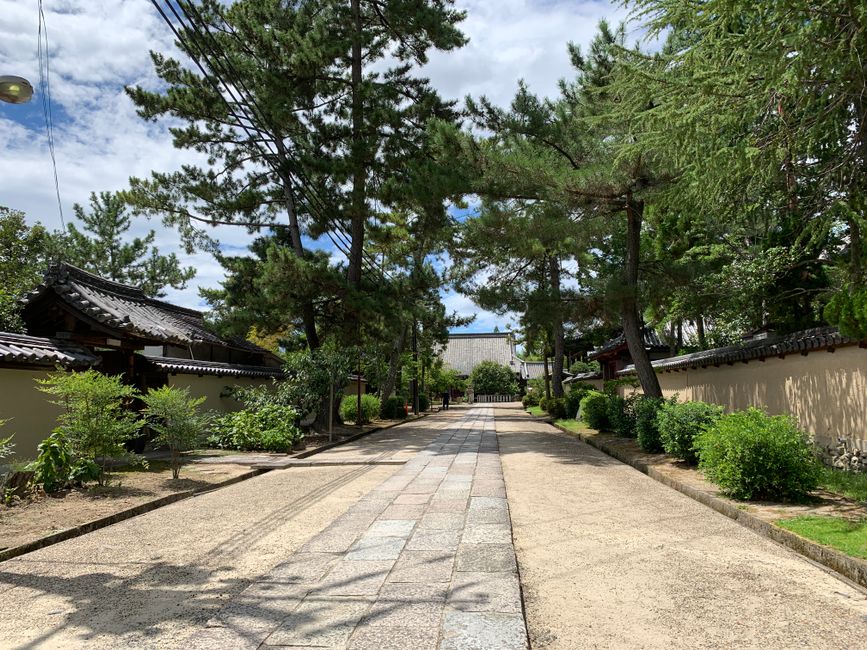
Bangkok is home to hundreds of Buddhist temples, many of which allow visitors to enter their grounds and main prayer halls without any charge. These sites offer a glimpse into the city’s spiritual and artistic heritage without the need for an expensive admission ticket. Temples such as Wat Ratchabophit and Wat Indrawiharn, for example, are known for their ornate architecture, serene courtyards, and community atmosphere. Visitors can walk through the grounds, observe daily rituals, and admire intricate murals and statues, all at no cost.
Beyond temples, several public landmarks and parks provide cultural enrichment for free. The Giant Swing, located near Wat Suthat, stands as a historic symbol of Brahmin ceremonies and can be viewed from the surrounding plaza. Lumpini Park, the city’s central green space, offers an open-air environment where locals exercise, relax, and socialize. Observing these everyday activities can be as rewarding as visiting a paid attraction. For those interested in a more structured cultural experience, some museums offer free entry on certain days of the week, such as the Bangkok National Museum on Wednesdays. Checking local schedules in advance may reveal additional no-cost opportunities.
Savoring Affordable Street Food
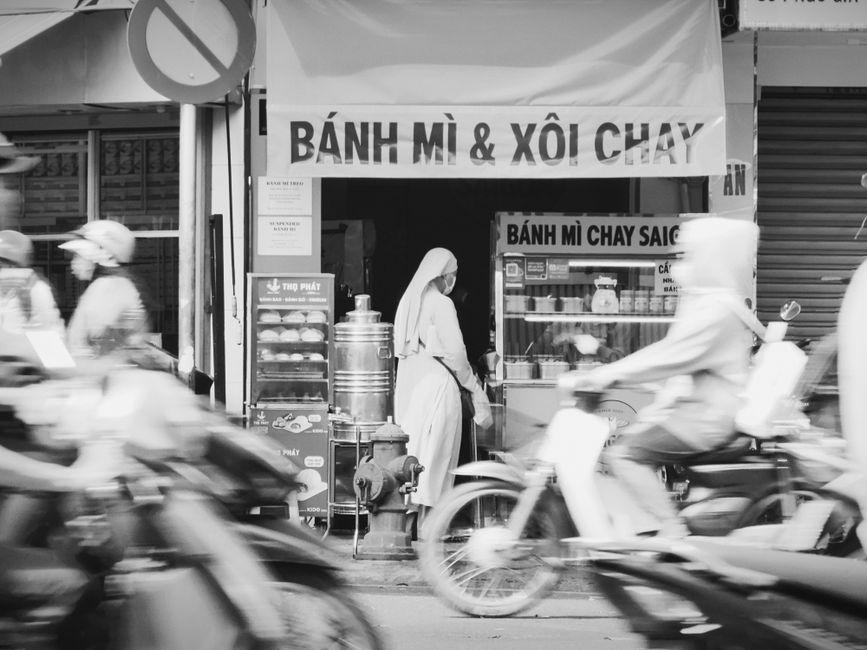
Street food is an integral part of Bangkok’s culinary identity, and it also happens to be one of the most economical ways to eat. Stalls and small vendors are scattered throughout the city, particularly in areas like Yaowarat (Chinatown) and the neighborhoods surrounding Khao San Road. Dishes such as pad Thai, som tam (papaya salad), and boat noodles are typically priced at a fraction of what a sit-down restaurant would charge. Portions are often generous, and the variety allows travelers to sample different flavors across multiple meals without exceeding a tight budget.
When exploring street food, it can be helpful to look for stalls with a high turnover of local customers, as this often indicates freshness and consistent quality. Popular markets such as Or Tor Kor Market and Chatuchak Food Court also offer affordable prepared meals in a more organized setting. Drinks, including fresh coconut water and iced tea, are similarly inexpensive. An important consideration is that prices may vary slightly between tourist-heavy zones and residential areas. Taking a short walk away from major attractions often leads to more budget-friendly options while still offering delicious and authentic dishes.
Navigating Bangkok’s Canals on a Budget
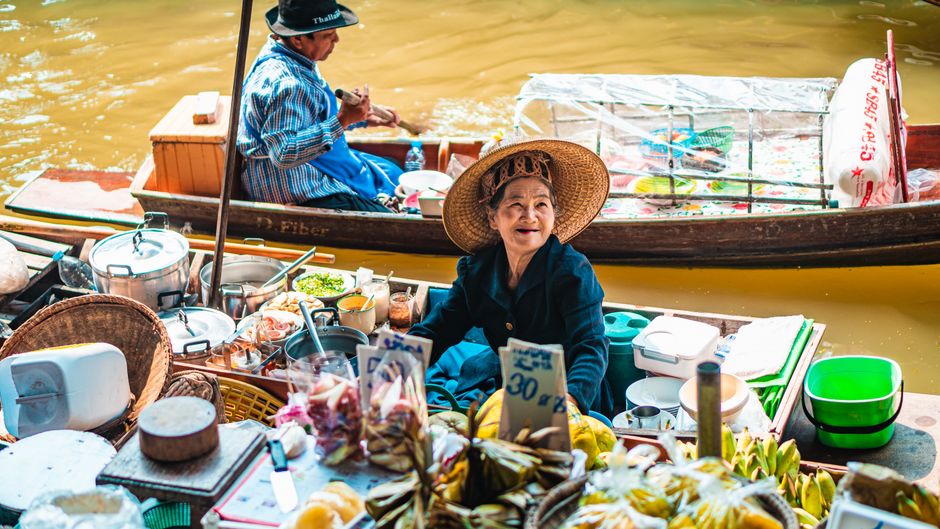
Bangkok’s network of canals, known as khlongs, provides an alternative form of transportation that is both scenic and inexpensive. The most accessible option for budget travelers is the Saen Saep Canal boat service, which operates along a central route through the city. Fares are typically between 10 and 20 Thai baht per ride, depending on the distance, making it one of the cheapest ways to travel while also offering views of traditional wooden houses, temples, and local life along the waterways. These boats run frequently during peak hours, though they can be crowded, which is a common experience in public transport.
For a more leisurely experience without a high price tag, some long-tail boat operators offer shared tours of the Thonburi side canals. These trips often last about an hour and cost considerably less than private charters, especially if booked through a cooperative stand rather than a hotel concierge. Visitors should be aware that the experience can be influenced by weather and water traffic, so flexibility is useful. Alternatively, walking along canal-side paths in areas like Bang Lamphu provides a free way to observe the waterway atmosphere. Regardless of the chosen method, exploring by khlong gives a different perspective on Bangkok’s geography and daily rhythm.
Additional Low-Cost Experiences
Beyond temples, food, and canals, Bangkok offers several other activities that require little or no spending. The city’s public parks, such as Benjakitti Park and the aforementioned Lumpini Park, are open to the public and host free exercise classes, tai chi sessions, and occasional community events. Art enthusiasts can visit galleries like the Bangkok Art and Culture Centre, where exhibitions are often free to view. Shopping at weekend markets like Chatuchak does not require an entrance fee, and simply browsing the vast array of stalls can be an entertaining way to spend hours.
For those interested in local crafts and history, the Museum of Siam occasionally offers discounted or free entry during special promotions. Another no-cost activity is observing the daily life along the Chao Phraya River, particularly from public piers such as Tha Tien or Tha Chang. Many travelers find that walking through residential neighborhoods, observing interactions at local markets, and using public ferries provide a rich sense of place without requiring a formal itinerary. These experiences, while modest in cost, can contribute to a more meaningful understanding of the city.
Practical Considerations for Budget Travelers
Maximizing a tight budget in Bangkok often comes down to careful planning regarding transportation and accommodation. The BTS Skytrain and MRT subway are efficient but can add up if used frequently; a more economical choice is the city’s public bus network, with fares starting at around 8 baht. Alternatively, traveling by motorcycle taxi for short distances may be cost-effective when compared to ride-hailing services. For overnight stays, hostels and guesthouses in areas like Silom or Sukhumvit offer dormitory beds and private rooms at reasonable rates, especially when booked in advance.
It is also worth noting that many budget-friendly activities are weather‑dependent, and the hot season can make walking tours less enjoyable. Carrying a reusable water bottle and using the city’s water refill stations can reduce both cost and plastic waste. Travelers should avoid paying for tours that claim guaranteed access to free sites, as these often include unnecessary extras. By focusing on independently accessible attractions and public transport, visitors can shape an itinerary that aligns with their financial constraints. As always, individual experiences may differ, and being open to spontaneous changes often leads to unexpected discoveries.