Packing Essentials for a Budget Backpacking Trip
When planning a budget backpacking trip, the way you pack can significantly affect both your comfort and your overall costs. Airlines often charge extra for checked luggage, and even carry-on allowances have weight limits that can lead to unexpected fees. By choosing the right items—such as lightweight gear, a reusable water bottle, and quick-dry clothing—you can streamline your load and reduce the risk of paying for extra baggage. This approach focuses on selecting versatile, space-saving items that serve multiple purposes without sacrificing practicality.
Understanding the relationship between what you carry and how you travel is key. Every piece of equipment adds weight and bulk, so careful consideration of each item’s function and necessity helps create a more efficient packing strategy. The following sections outline a process-oriented method for assembling a backpacking kit that prioritizes weight reduction, durability, and cost-effectiveness. Rather than focusing on specific brands or guaranteed outcomes, this guide explores the principles behind smart packing decisions.
The goal is to build a kit that works for a range of environments and trip durations while keeping your luggage within airline restrictions. By thinking ahead about material choices, layering systems, and multipurpose tools, you can enjoy the freedom of moving easily between destinations without being weighed down by unnecessary possessions.
Selecting a Lightweight Backpack and Shelter
The foundation of any budget backpacking setup is the backpack itself. A lightweight pack reduces the overall weight you carry and makes moving through airports, train stations, and trails more manageable. When choosing a backpack, consider its capacity in relation to the length of your trip and the climate. For most budget trips lasting one to two weeks, a pack in the 40 to 50 liter range offers enough space without encouraging overpacking. Look for models made from ripstop nylon or similar materials that provide strength without adding excessive weight.
For shelter, a lightweight tent or a hammock with a rainfly can serve as an affordable alternative to hotel accommodations. Ultralight tarps and bivvy sacks are also options that take up minimal space. The decision between these depends on the expected weather and the availability of campsites. If you plan to stay in hostels or guesthouses most nights, you might skip the tent altogether to save weight and space. The key is to match the shelter choice to your itinerary rather than bringing gear ‘just in case.’
When weight is a primary concern, even small differences in pack materials and design matter. Frame types—internal versus external—affect how the load sits on your body, but for budget travelers, a simple internal-frame pack with a supportive hip belt often strikes a good balance between cost and comfort. Always test the fit before a trip, as an ill-fitting pack can cause discomfort regardless of its weight.
Choosing Quick-Dry Clothing for Versatility
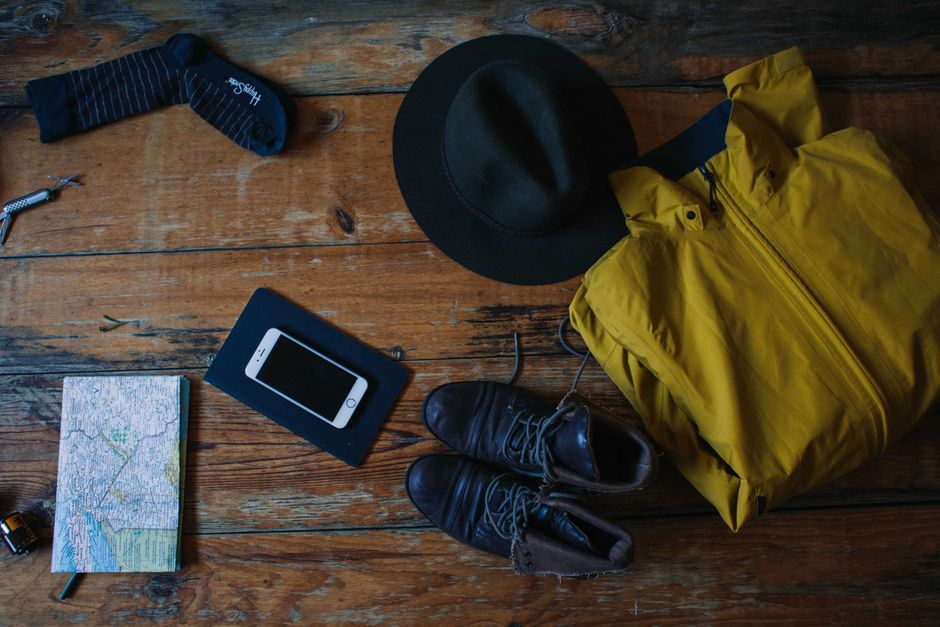
Quick-dry clothing is a cornerstone of budget backpacking because it reduces the need to bring multiple outfits and allows you to wash items on the go. Fabrics such as polyester, nylon, and merino wool dry faster than cotton and resist odors, meaning you can wear them for several days between washes. A typical capsule wardrobe for a budget backpacking trip might include two to three tops, one pair of long pants, one pair of shorts, and a lightweight jacket. These items can be mixed and matched for different climates and activities.
Layering is a practical approach to adapting to changing temperatures. A base layer made of quick-dry material wicks moisture away from the skin, while a mid-layer such as a fleece or synthetic insulated jacket provides warmth. An outer shell that is both windproof and waterproof protects against rain and wind without adding bulk. Each layer should be compressible and able to fit inside the pack when not in use.
When selecting clothing, pay attention to weight and packability. Many outdoor brands offer garments that weigh less than 200 grams yet provide sufficient insulation or weather protection. For example, a lightweight down or synthetic jacket can be compressed into a small pouch. Similarly, hiking pants made from stretchy, quick-dry fabric often have zip-off legs, converting to shorts and saving space. The fewer individual items you need to carry, the easier it is to keep your pack light and organized.
Hydration Solutions: Reusable Water Bottles and Filters
Staying hydrated is essential, but buying single-use plastic bottles during your travels adds expense and waste. A reusable water bottle is one of the most practical investments for a budget backpacker. Choose a bottle made from lightweight stainless steel or BPA-free plastic, with a capacity of 500 ml to 1 liter. Many reusable bottles can be clipped to the outside of your pack, allowing easy access without unpacking.
In locations where tap water is not safe to drink, a portable water filter or purification tablets offers a low-cost alternative to buying bottled water. Filters that attach directly to a standard bottle opening can remove bacteria and protozoa, making water from streams or public taps drinkable. This approach eliminates the need to carry large quantities of water and reduces the frequency of stops. Some filters are small enough to fit in a pocket, adding negligible weight to your kit.
For longer trips, consider a collapsible water pouch or a hydration bladder that fits inside your backpack. These systems distribute weight evenly and allow you to drink hands-free while walking. When combined with a reusable bottle, you have the flexibility to carry enough water for dry stretches without overloading your pack. The important principle is to choose a system that matches the water availability and quality of your destinations, rather than relying on single-use containers.
Minimizing Toiletries and Miscellaneous Items
Toiletries are often a source of unnecessary weight and volume. For a budget backpacking trip, bring only the essentials in travel-sized containers. A bar of soap can serve multiple purposes—washing hands, body, and even laundry. Shampoo bars and solid deodorants eliminate liquid restrictions and are lighter than their bottled equivalents. A small microfiber towel dries quickly and takes up far less space than a cotton towel.
Other miscellaneous items that reduce baggage fees include a lightweight packing cube or stuff sack to compress clothing, a headlamp instead of a heavy flashlight, and a power bank that matches your phone’s battery capacity. Consider whether you truly need each item. For instance, a Kindle or e-reader weighs less than a paperback, but if you can read on your phone, you might skip the extra device. Similarly, a multi-tool can replace several separate tools, though be aware of airline restrictions on knives.
A first-aid kit should be minimal but adequate for common issues like blisters, cuts, and headaches. You can often supplement it with items purchased locally if needed. The overall aim is to keep your total carry-on weight below the typical 7–10 kg limit imposed by many budget airlines. By choosing multi-purpose products and small containers, you free up space and weight for items that truly enhance your travel experience.
Packing Strategies to Avoid Extra Fees
Even with the right gear, how you pack matters. Compression bags or dry sacks can reduce the volume of clothing and sleeping bags, allowing you to fit everything into a smaller backpack. Rolling clothes instead of folding them also saves space and reduces wrinkles. Place heavier items like shoes and the water bottle near the back of the pack, close to your spine, to improve balance and reduce strain.
Before heading to the airport, weigh your pack using a portable luggage scale. Many budget airlines have strict weight limits for carry-on bags, and exceeding them can result in fees that rival the cost of a night’s accommodation. If your bag is borderline, consider wearing your heaviest jacket and pants on the flight, and placing small heavy items in your pockets temporarily. This technique can make a meaningful difference when every kilogram counts.
When flying, avoid packing items that are cheap to buy at your destination. Toiletries, snacks, and even some clothing can be purchased locally for less than the cost of luggage fees. Planning a small resupply stop upon arrival can lighten your initial load significantly. By focusing on a methodology of ‘pack light, supplement locally,’ you maintain flexibility and keep your luggage within budget-friendly limits.
TripCompass encourages travelers to think about each item’s weight, purpose, and alternative functions. The process of selecting gear involves trade-offs, and there is no single perfect kit. However, by prioritizing lightweight materials, quick-dry clothing, and a reusable water bottle, you can build a packing system that supports comfortable travel without incurring unnecessary baggage fees.