Street Food Must-Tries in Ho Chi Minh City
Ho Chi Minh City, often referred to as Saigon, is widely recognized for its lively street food culture. The city’s sidewalks and alleyways are lined with vendors offering a vast array of dishes that reflect both regional traditions and urban convenience. For many visitors, exploring these open-air eateries becomes a central part of the travel experience, providing an opportunity to observe daily life while tasting preparations that have been refined over generations.
Understanding where to go and what to look for can greatly enhance the experience of sampling local specialties. Resources such as TripCompass offer curated insights into the neighborhoods and stalls that are frequented by residents, helping travelers navigate the diverse culinary landscape without relying solely on tourist-oriented venues. This article provides an overview of three essential dishes and the districts where they are commonly found, focusing on the context and methods of enjoying them in an informed manner.
The following sections describe the characteristics of each dish, the typical locations where they are prepared, and the broader street food environment in Ho Chi Minh City. The information is intended to support readers in making their own choices based on personal preferences and circumstances.
Pho: A Classic Rice Noodle Soup
Pho is a staple of Vietnamese cuisine, consisting of a rich broth, rice noodles, herbs, and usually beef or chicken. The broth is often simmered for several hours with bones, spices such as star anise and cinnamon, and other aromatics. Each vendor may have a slightly different recipe, resulting in subtle variations in flavor and aroma. In Ho Chi Minh City, pho is widely available from early morning until late at night, with some stalls specializing in breakfast service and others catering to late-night crowds.
When looking for pho in the city, many locals and experienced travelers consider District 1 and District 4 as areas with a high concentration of established vendors. In District 1, streets around Phạm Ngũ Lão and Bùi Viện are known for their bustling food scene, though prices in this tourist-heavy area may be slightly higher. District 4, on the other hand, offers a more local atmosphere, with smaller stalls that serve pho at very modest prices. The choice of vendor often depends on individual preferences regarding broth clarity, noodle texture, and the availability of accompanying herbs and lime. It is not uncommon to see customers customizing their bowls with bean sprouts, basil, chili, and hoisin sauce.
Observing how residents order and eat pho can provide useful cues for first‑time visitors. Many regulars have their preferred spot and are familiar with the vendor’s specific style. Taking a seat on a low plastic stool and following local etiquette, such as using chopsticks and a spoon together, is part of the experience. No single preparation is claimed to be the definitive version, as taste is subjective and influenced by numerous factors.
Banh Mi: A Fusion of Flavors
Banh mi is a Vietnamese sandwich that combines a crisp baguette with various fillings, including grilled pork, cold cuts, pâté, and vegetables. The bread is typically light and airy on the inside while having a thin, crunchy crust. The fillings may vary by vendor, with some offering options such as chicken, meatballs, or tofu for those who prefer plant‑based alternatives. Fresh herbs like cilantro and sliced chili peppers are often added, along with pickled carrots and daikon to provide a tangy contrast.
In Ho Chi Minh City, banh mi stalls are found throughout the city, but certain neighborhoods are noted for their concentration of longstanding vendors. District 3, particularly around the area of Võ Văn Tần Street, has a reputation for banh mi that is frequently mentioned in travel discussions. District 1 also has many options, especially along Hàm Nghi Boulevard and in the vicinity of the central market. The price of a banh mi tends to be low, making it an accessible option for any meal of the day. Some stalls operate only during lunch hours, while others remain open into the evening.
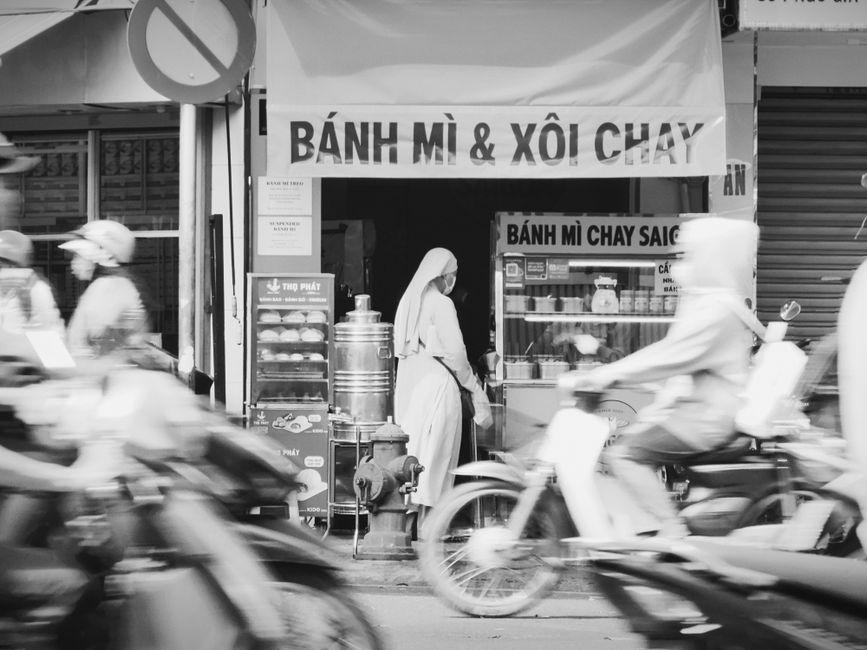
When approaching a banh mi vendor, customers can typically see the ingredients arranged on a counter and can request a combination that suits their taste. The assembly process is usually quick, as the vendor slices the bread, layers the fillings, and wraps it in paper within minutes. The quality of the bread and the balance of flavors are often cited as key factors that distinguish one vendor from another. It is advisable to consider the turnover of customers, as higher traffic may indicate fresher ingredients.
Spring Rolls: Two Distinct Approaches
Spring rolls in Vietnamese cuisine come in two main forms: fresh spring rolls, known as goi cuon, and fried spring rolls, called cha gio. Goi cuon typically contain shrimp, pork, vermicelli noodles, and lettuce wrapped in moist rice paper, served with a dipping sauce made from hoisin and peanut or fermented fish sauce. Cha gio are crispy rolls stuffed with minced pork, mushrooms, and vegetables, often wrapped in rice paper or wheat wrapper and deep‑fried until golden. Both types are commonly served as appetizers or light snacks.
Vendors specializing in spring rolls can be found in many districts, but District 5, also known as Cholon, is particularly known for its Chinese‑Vietnamese culinary influences. In this area, spring rolls may incorporate ingredients like salted egg or taro, offering variations not commonly seen elsewhere. Street stalls in District 5 often prepare spring rolls to order, ensuring the wrappers remain crisp or the rice paper stays pliable. In other parts of the city, vendors may offer pre‑made spring rolls that are kept warm, though the texture can differ.
When selecting spring rolls at a street stall, observing the freshness of the ingredients and the cleanliness of the preparation area can provide useful context. Fresh spring rolls are often assembled in front of the customer, while fried rolls may be prepared in batches. The dipping sauce also varies by vendor, with some adding garlic, chili, or crushed peanuts. Many visitors find that trying both versions provides a broader understanding of how the same basic concept can yield entirely different eating experiences.
Districts to Explore for Street Food
Ho Chi Minh City is divided into districts, each with its own character and food landscape. District 1 remains the most frequented by travelers due to its central location and dense concentration of vendors. Streets such as Bùi Viện and Phạm Ngũ Lão are known for their wide selection of dishes from pho to spring rolls, though the atmosphere can be busy and tourist‑oriented. For those seeking a more local experience, District 4 offers a more relaxed pace, with many small eateries serving seafood and noodle dishes at very low prices. The area around the intersection of Tôn Đản and Nguyễn Tất Thành is often mentioned for its evening food stalls.
District 5, or Cholon, provides a different culinary perspective shaped by the local Chinese community. Here, street food includes dim sum, noodle soups, and spring rolls with unique fillings. The narrow streets in this district are lined with stalls that have been operating for decades. District 3 is another area with a strong food culture, offering both banh mi and pho, as well as dishes like bánh xèo and bún thịt nướng. Each district has its specialties, and many residents have strong preferences for certain vendors based on family tradition or neighborhood loyalty.
Exploring multiple districts allows visitors to observe how the same dish may be interpreted differently depending on local ingredients and cooking methods. The choice of district may also influence the overall experience in terms of crowd levels, seating arrangements, and language barriers. Being open to wandering beyond the most famous streets often leads to encountering small, unassuming stalls that are well‑regarded by nearby workers and families.
Practical Considerations for Street Food Enjoyment
Engaging with street food in Ho Chi Minh City involves a set of unwritten norms that can vary by location. Seating is usually on small plastic stools, and tables are often shared with other customers. It is common to see vendors using disposable chopsticks and bowls, while some stalls provide reusable utensils that are rinsed in hot water. Observing how regular customers interact with the vendor can provide clues about expected behavior, such as whether to pay before or after eating, and how to request additional condiments.
Hygiene practices differ among vendors, and many travelers choose to assess a stall based on the cleanliness of the cooking area and the turnover of ingredients. Stalls that are busy during meal times often have fresher supplies due to higher demand. It is also helpful to note the water source used for washing produce and utensils, though this information may not always be readily visible. Those with specific dietary concerns may wish to communicate their needs clearly, as some vendors are accustomed to requests for less salt, no MSG, or no meat.
Timing can affect the availability of certain dishes. Many vendors operate only during specific hours, such as early morning for pho or late afternoon for banh mi. Evening markets and night stalls offer a different selection, often including grilled items and seafood. Planning a flexible schedule and being prepared to adjust based on what is available can lead to a more varied sampling experience. No single approach guarantees a perfect meal, as quality can fluctuate due to factors like ingredient freshness and the vendor’s daily routine.